

A logo will appear on your signboard, invoices, website, packaging, uniforms and social media for years. A clear logo design process helps you get a logo that works everywhere, and makes sure you receive every file you need at the end.
Step 1: The brief
A good brief does not need to be long. It should cover:
- What your business does and who your customers are.
- Your main competitors and how you want to be seen differently.
- Words that describe the feeling you want: modern, traditional, premium, friendly, technical.
- Where the logo will be used most: signage, packaging, digital, vehicles.
- Any colours or symbols you want to use or avoid.
Step 2: Research and concepts
The designer studies your market and competitors, then develops a small number of original concepts. Each concept should come with a short explanation of the idea behind it. Seeing the logo on mockups, such as a visiting card, a website header and a signboard, helps you judge it in context.
Step 3: Refinement
You choose one direction and give feedback. The designer refines shapes, spacing, colours and typography over the agreed number of revision rounds. It helps to collect feedback from a few key people at once, rather than one by one.
Step 4: Testing
A professional logo is tested at small sizes, in one colour, on dark and light backgrounds and in print. If it fails at favicon size or on a rubber stamp, it needs simplifying.
Step 5: Final files from the logo design process
At the end you should receive:
- Vector files (AI, EPS, SVG or PDF) for printing, signage and embroidery.
- PNG files with transparent backgrounds for digital use.
- JPG files for general use.
- Versions: full colour, single colour, black and white, and reversed for dark backgrounds.
- Layouts: horizontal, stacked and icon-only where relevant.
- Colour values for print (CMYK) and screen (RGB and HEX).
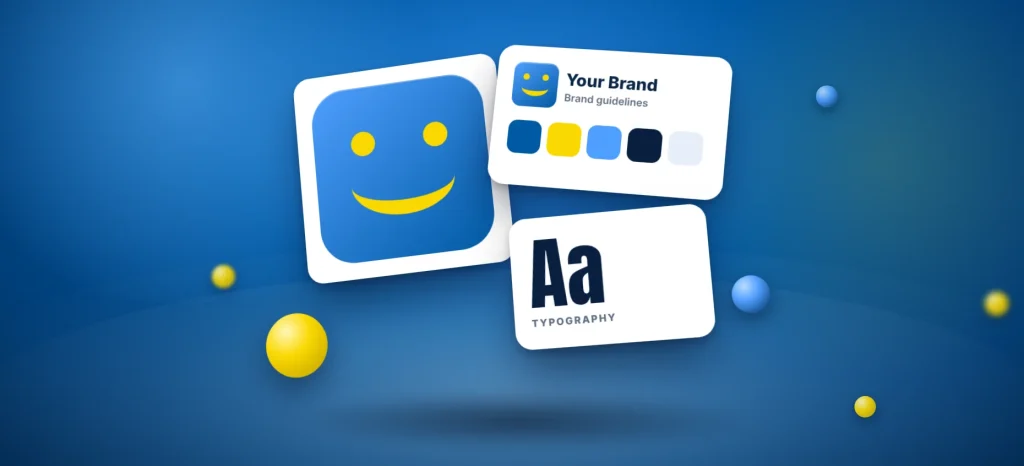
- Ideally a short usage guide showing clear space and what not to do.
You should also own the final logo once the project is paid for. Confirm this in writing before you start.
2D, 3D and animated versions
Many businesses now also use a 3D version for videos and signage, and an animated version for reels and video intros. If you plan to use video, it is worth designing the logo with motion in mind from the start.
Red flags
Once the logo design process is complete, consider registering the mark as a trademark through Intellectual Property India.
- Concepts that look like templates or stock icons.
- No vector files at the end.
- Unclear ownership of the final design.
- Unlimited revisions with no clear process, which usually means no clear direction.
How long does the logo design process take?
A simple logo design can be completed in a couple of weeks, while a complete identity with research and multiple applications takes longer. The biggest factor is usually how quickly feedback is given between rounds. Agree a schedule with milestones at the start.
What to include in your logo brief
- Your business name exactly as it should appear
- What you do and who your customers are
- Three to five words describing your brand personality
- Competitors and logos you like or dislike, with reasons
- Where the logo will be used most
- Colours or symbols to include or avoid
Frequently asked questions
Who owns the logo? You should receive full ownership and all source files. Confirm this in writing before the logo design process starts.
How many concepts should I expect? A few well-considered concepts are more useful than many quick ones. Quality of thinking matters more than quantity.
Can I redesign my logo without losing recognition? Yes. A careful refresh keeps familiar elements such as colour or shape while modernising the rest.
Should I trademark my logo? If you plan to grow, it is worth applying for trademark registration after the logo is final.
What a logo should cost you in time
Plan for a brief meeting, review sessions for concepts and refinements, and a final check of the files. Most of the time in the logo design process goes into thinking and refining, not drawing. Giving clear, consolidated feedback from the right decision makers keeps the project moving.
After the logo is approved
Update your website, social profiles, email signatures, stationery, signage and packaging together, so customers see the new logo consistently. Keep the master files in a shared folder and send your printer and agencies the guidelines, so the logo is used correctly everywhere.
Logo design process for a rebrand
If you already have a logo, the logo design process starts by deciding what to keep. Customers may recognise your colour, symbol or name style, so a refresh often keeps one or two of these while improving clarity, proportions and digital performance. Test the new version side by side with the old one before deciding.
Plan the rollout carefully. Replace the logo everywhere within a short period so customers do not see two different versions for months.
Summary
A good logo design process moves from brief to research, concepts, refinement, testing and final files. Insist on a clear brief, a few well-explained concepts, real-world testing and complete files with full ownership. Following these steps gives you a logo that works for years.
How HB Multimedia can help
We design original 2D, 3D and animated logos, full brand identities and logo intro videos in Ahmedabad. See our brand identity checklist for what comes next, or request a free proposal.